
Skin cancer
The abnormal growth of skin cells
Did you know…?
Skin is the largest organ of the body.
Whether you have had a skin cancer diagnosis, been told you have a higher risk of skin cancer or are just looking for more information, this page has been designed by the Skin Cancer Clinical Nurse Specialist Team to enable you to access all the information you need, when you need it.
How to check your skin
It is important to check your skin regularly for new spots, lumps or sores that are changing, not healing or getting bigger.
What is skin cancer?
Find out about what skin cancer is and how it develops:
Cancer starts in cells in our body.
Cells are tiny building blocks that make up the organs and tissues of our bodies. They divide in a controlled way to make new cells and this is how our bodies grow, heal and repair.
Cells receive signals from the body, telling them when to divide and grow, and when to stop growing. When a cell is no longer needed, or can’t be repaired, it gets a signal to stop working and die.
Cancer develops when the normal workings of a cell go wrong and the cell becomes abnormal. The abnormal cell keeps dividing, making more and more abnormal cells. These eventually form a lump (tumour).
Normal cells
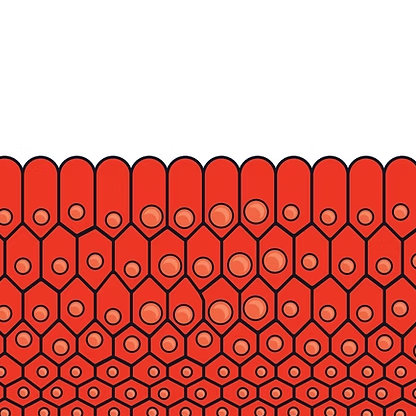
Cells forming a tumour

Skin cancer develops when cells within the skin become abnormal. This is usually due to damage from ultraviolet radiation (UVR) from the sun or sunbeds.
We are all exposed to some ultraviolet radiation whenever we go outside, and our bodies can usually repair any damage it causes. But, if the exposure is intense or prolonged, or your immune system isn’t working normally, it is more difficult to repair and cells can become damaged or abnormal. This is when skin cancers may develop.
Whether or not you will develop a skin cancer depends on many factors, see Who’s at risk.
There are many types of skin cancer and they are named according to which cells are affected. They vary in how they look, how they behave and how likely (if at all) they are to spread to other parts of the body.
When skin cancers develop, the symptoms we see are lumps, spots or changes to our normal skin. The earlier we spot them, the easier they are to remove or treat, which is why it is helpful to check your skin regularly for early signs.
Some types of skin cancer can spread to other areas of the body through the blood or lymphatic system. However, it takes time for them to grow deep enough in the skin to reach these systems. Most skin cancers are spotted, treated, and cured before this happens.
Check your skin regularly for early signs of skin cancer and see your doctor straight away if you are concerned.
Types of skin cancer
There are many different types of skin cancer. Click the link to find out the some of the most common.
The most common form of skin cancer and the most frequently occurring form of all cancers.
The second most common form of skin cancer and most often found on areas exposed to ultraviolet (UV) radiation.
An uncommon type of skin cancer, It occurs mainly on the head or neck of older people, usually after the skin has been damaged by prolonged exposure to sunlight.
A rare type of skin cancer. It starts in cells, which are usually in the top layer of the skin (the epidermis). These cells are near the nerve endings and they help us respond to touch.
https://www.cancerresearchuk.org/about-cancer/neuroendocrine-tumours-nets/merkel-cell-skin-cancer
One type of the earliest stage of a skin cancer known as melanoma. It appears as a long-standing brown patch, most commonly on the face, which slowly enlarges and develops darker areas.
Melanoma in situ is the earliest stage of a skin cancer called melanoma. The cells are only in the very top layer of the skin so cannot spread to other areas of the body.
A cancer that usually starts in the skin. It can start in a mole or in normal-looking skin. About half of all melanomas start in normal-looking skin.
Who is at risk
Anybody can get skin cancer but some things increase your risks. Click the images below to find out more:

Fair skin
Fair skin
The fairer your skin the less natural protection you have from the sun, so you would need less UV exposure to cause damage.
People with red or light blonde hair, light eyes and fair skin which freckles or burns easily in the sun are most at risk.

Personal history
Personal history of skin cancer
If you have experienced the right conditions to develop one skin cancer you have a higher risk of developing another.

Family history
Family history of skin cancer
If someone in your family has had a skin cancer you also have a higher risk. This is usually because you may have a similar skin type or colouring and will have had similar exposure due to lifestyles, holidays or where you have lived.
If you have had a skin cancer your family therefore have a higher risk so it is important to let them know so they can check their skin and take extra care in the sun, particularly siblings and children.
UV exposure
UV exposure
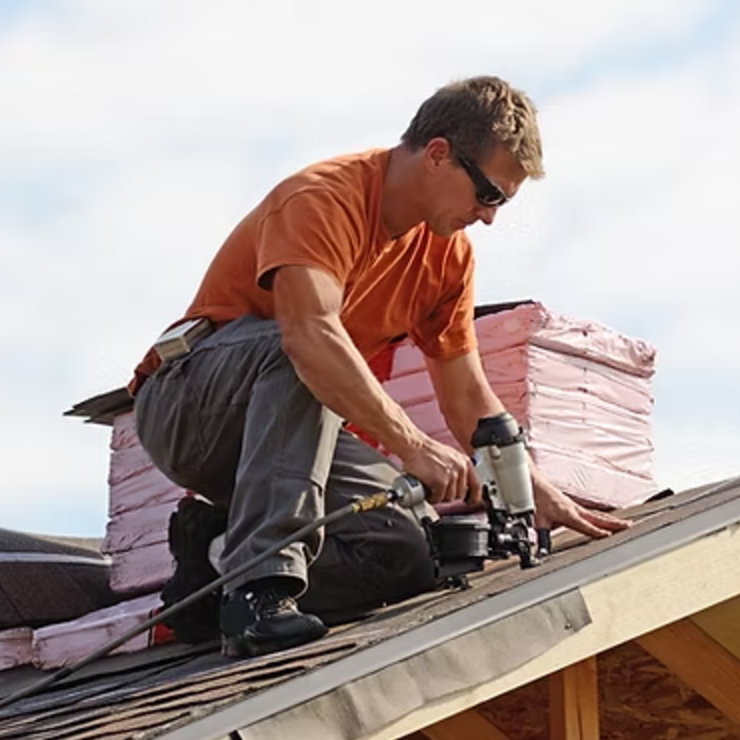
The more ultraviolet (UV) light you have been exposed to, the higher the risk of skin cancer.
This can be periods of intense sun exposure causing severe sunburn, or prolonged, lower level exposure over many years. You do not have to “sunbathe” for UV exposure, think about how you tan when walking, golfing etc.
Things which may indicate excessive exposure include:
- Living in a hot climate where the sun is stronger
- Working outdoors
- Spending a lot of time outdoors due to hobbies
- Sunbed use
- Previous severe sunburn
Multiple or unusual moles
Multiple or unusual moles
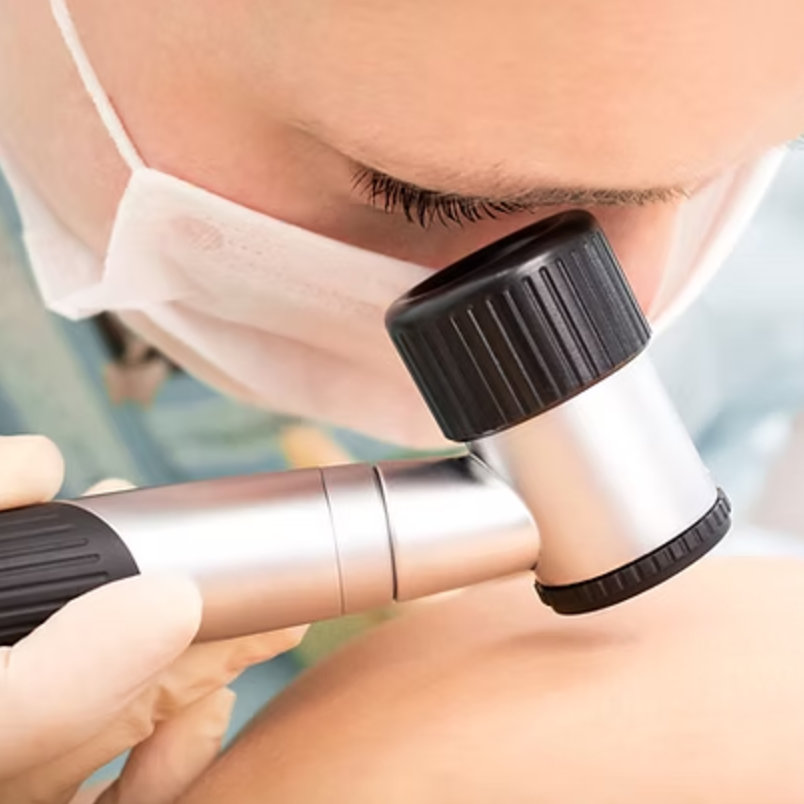
If you have lots of moles, particularly lots of unusual moles you have a slightly higher risk of melanoma skin cancer.

Immunosuppression
Immunosuppression
If your immune system is weakened it makes it harder for your body to repair damage from UV light.
Your immune system may be weakened due to medication you take to control another condition or after an organ transplant.
Your doctor should tell you if you are on this medication.
Sun safety and sunburn
Be sun safe, it’s one of the best ways you can protect yourself. Watch this video to understand more about sunburn, why it’s important to avoid it and how to protect your skin.
Video Credit: Cancer Research UK
How do you protect yourself?
Sunscreen protects your skin by either:
- Reflecting harmful rays away from your skin (like a mirror), or
- Absorbing harmful rays before they can affect your skin (like a filter or sponge)
It protects against UVA and UVB rays.
The level of UVA and UVB protection varies from one sunscreen to another.
UVA and UVB (Ultraviolet ) radiation are transmitted by the sun.
Both cause DNA damage which can lead to skin cancer.
- UVA causes damage to the elastin in our skin causing wrinkles, Think A = Ageing
- UVB causes sunburn. Think B = Burning
Sun beds also transmit concentrated ultraviolet radiation and using them increases your risk of skin cancer.
The level of UVA protection is shown by a 0-5 UVA star rating, usually found on the back of the bottle. Aim for 4 or 5 stars.

The SPF (sun protection factor) tells you the level of protection against UVB and sunburn. This is the number on the front of the bottle. Try to get at least SPF 30.

It’s is personal preference and the SPF and UVA are what is important, not the type.
Get one that fits in your budget, prices vary a lot and often you’re paying for the brand, packaging and fragrance. We want you to use regularly and generously. Get one you like and will use – if it’s thick and greasy, you probably won’t use it!
There are lots of types – creams, oils, sprays, gels. Pick what is best for you -Creams can be better if your skin is dry and chemical sunscreens such as clear sprays or sports oils are less greasy and won’t drip into your eyes and irritate if you’re exercising or sweating.
Some sunscreens offer 8+ hours of protection but be aware – if you miss a section of your skin or apply too thinly your skin can be under protected for the whole day. Friction such as towel drying can also remove even these sunscreens.
Reapplying sunscreen regularly protects against this.
These will help protect you against small amounts of sun exposure but are often only applied thinly once a day so the SPF level may be lower than you expect and the protection will wear off over time.
SPF and UVA levels are measured assuming very generous frequent applications of sunscreen and studies have shown that most people apply less than half the amount required to provide the level of protection on the packaging.
Apply generously 15-30 minutes BEFORE sun exposure to allow to dry and be effective.
Reapply after 30 minutes and then every 2 hours to maintain protection levels as sunscreen wears off with friction and perspiring.
Make sure you apply to all exposed areas – ears, temples and backs of necks are often missed and are common sites for skin cancers.
This isn’t an exact science, the level of sun protection you need varies according to how easily you burn and how strong the sun is (UV index).
UV radiation is always present, even on dull cloudy days and in winter months, but at lower levels which won’t damage your skin as much.
The UV index will tell you how strong the sun is where you are. You can check this via the World UV app, which was developed in conjunction with the met office and the British association of Dermatologists. It can be downloaded for Apple’s App store or Google Play.


In the UK apply if you will be outdoors for more than 30 minutes between April and September.
Reflective surfaces such as water, snow and sand will increase your UV exposure and a cool breeze can stop you realising how strong the sun is so take extra care if those apply.
Meet our Multidisciplinary Team
The skin cancer service is made up of a Multidisciplinary Team (MDT) who work together to diagnose skin cancer and to identify the best course of treatment for each patient. We also work alongside specialist teams based in Leeds and York.
Find out more about the skin cancer multidisciplinary team.






Your health and wellbeing
We know that living with cancer has repercussions beyond treating the cancer itself. Your mental health, your financial situation, the disruption to your family life are all important issues. The help we provide extends far beyond medical treatment. Check our range of support services and get the help you need.


